
Children's dentistry
from 500 MDL
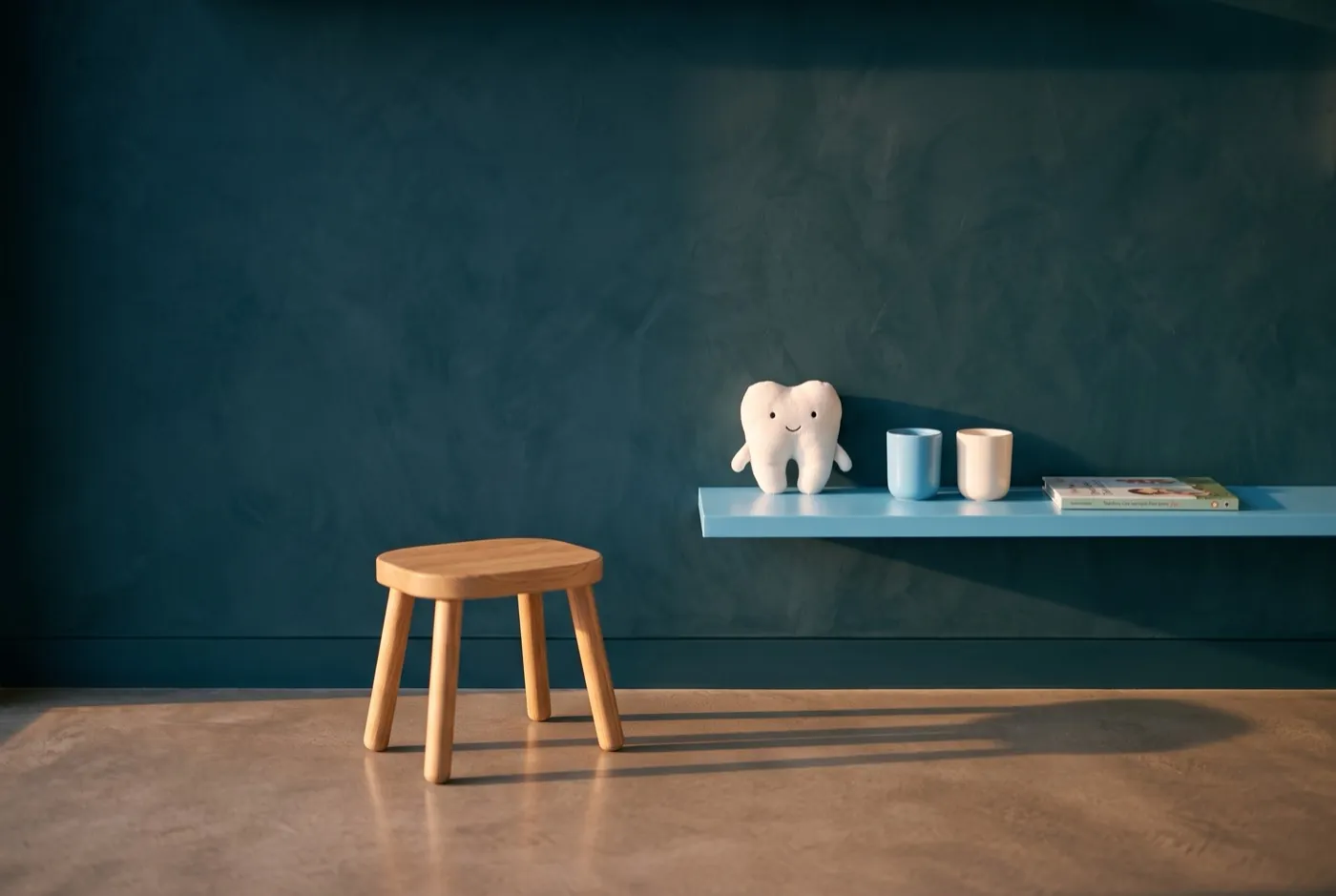
We provide gentle, safe dental care for children in a warm atmosphere that removes anxiety and fear of the dentist. We are dedicated to the health of baby and permanent teeth, supporting healthy development and happy smiles from the very first visit.
The first dental visit: when and how
The general recommendation is that a child's first visit to the dentist should take place around their first birthday, or shortly after the first baby teeth appear. At this age the visit is short and gentle: the dentist checks how the teeth are erupting, answers your questions about brushing, pacifiers, bottles and diet, and your child gets used to the clinic atmosphere without any unpleasant procedure.
If that moment has already passed, it is never too late — what matters most is a positive first experience. At Bellodent, the first meeting is designed as play and getting to know each other: the child explores, asks questions and sits in the chair only as long as they feel comfortable. Parents looking for a pediatric dentist in Chisinau often ask how we handle anxious children; the answer is simple: no rushing, no forcing, at the child's own pace.
Why baby teeth matter
There is a widespread belief that baby teeth are not worth treating because “they fall out anyway”. In reality, they play essential roles: they hold space for the permanent teeth, support the correct development of speech and chewing, and influence the health of the permanent teeth forming underneath. An untreated cavity in a baby tooth can cause pain, infection and damage to the bud of the permanent tooth.
That is why we treat cavities in baby teeth with the same attention as in adults, but with age-appropriate methods: short appointments, explanations in the child's own language and procedures that are as gentle as possible. Where appropriate, we also apply preventive measures — fluoride treatments or fissure sealants on the molars — which significantly reduce the risk of cavities in the years ahead.
What a visit to Bellodent looks like
Every visit starts with settling in: we talk with your child, show them the instruments in a friendly way and explain what comes next, in words they understand. Only then do we move on to the examination or treatment, always with their agreement and with breaks whenever they need one. The parent stays close by, and the calm atmosphere means fear of the dentist never gets a chance to take root.
After the visit, you receive concrete recommendations for home: how to brush correctly at your child's age, which toothpastes are suitable, how to limit sweets without battles, and when the next check-up should be. Regular visits, usually every six months, allow us to catch any problem early, when the solution is simple and completely painless.
Frequently asked questions
- At what age should a child first see a dentist?
- Ideally, the first dental visit takes place around the child's first birthday, or shortly after the first baby teeth appear. An early visit is short, involves no unpleasant procedures and gets the child used to the clinic. If your child is older and has not been yet, book a simple check-up — a positive first experience matters most of all.
- Do cavities in baby teeth need treatment, or do you wait for them to fall out?
- Cavities in baby teeth do need treatment. A decayed baby tooth can cause pain and infection and can damage the permanent tooth forming beneath it. Losing a baby tooth too early also disturbs the space needed for the permanent teeth. The exact treatment method depends on the child's age and the depth of the cavity, and is decided at a consultation.
- My child is afraid of the dentist. How do you handle this?
- We work at the child's pace: the first visit can be just a settling-in session, with no procedures at all. We explain everything in their language, show them the instruments through play and take breaks whenever they ask. The parent stays nearby. Fear usually fades after one or two positive visits. If there has been a bad experience before, tell us when booking so we can adapt our approach.
- What are fissure sealants and when are they applied?
- Sealing is a painless preventive procedure in which the deep grooves on a child's molars are covered with a protective material, so bacteria and food debris cannot cause cavities. It is usually recommended after the permanent molars erupt, around the age of 6–7. Whether it is right for your child is decided at a consultation.
- How often should my child have a dental check-up?
- As a rule, every six months. Children's teeth change quickly and cavities can progress within a few months, so regular check-ups let us catch problems early, when treatment is simple. For children at higher risk of decay, the dentist may recommend more frequent visits — the right interval is set at your consultation.