
Fillings and cavity treatment
from 450 MDL
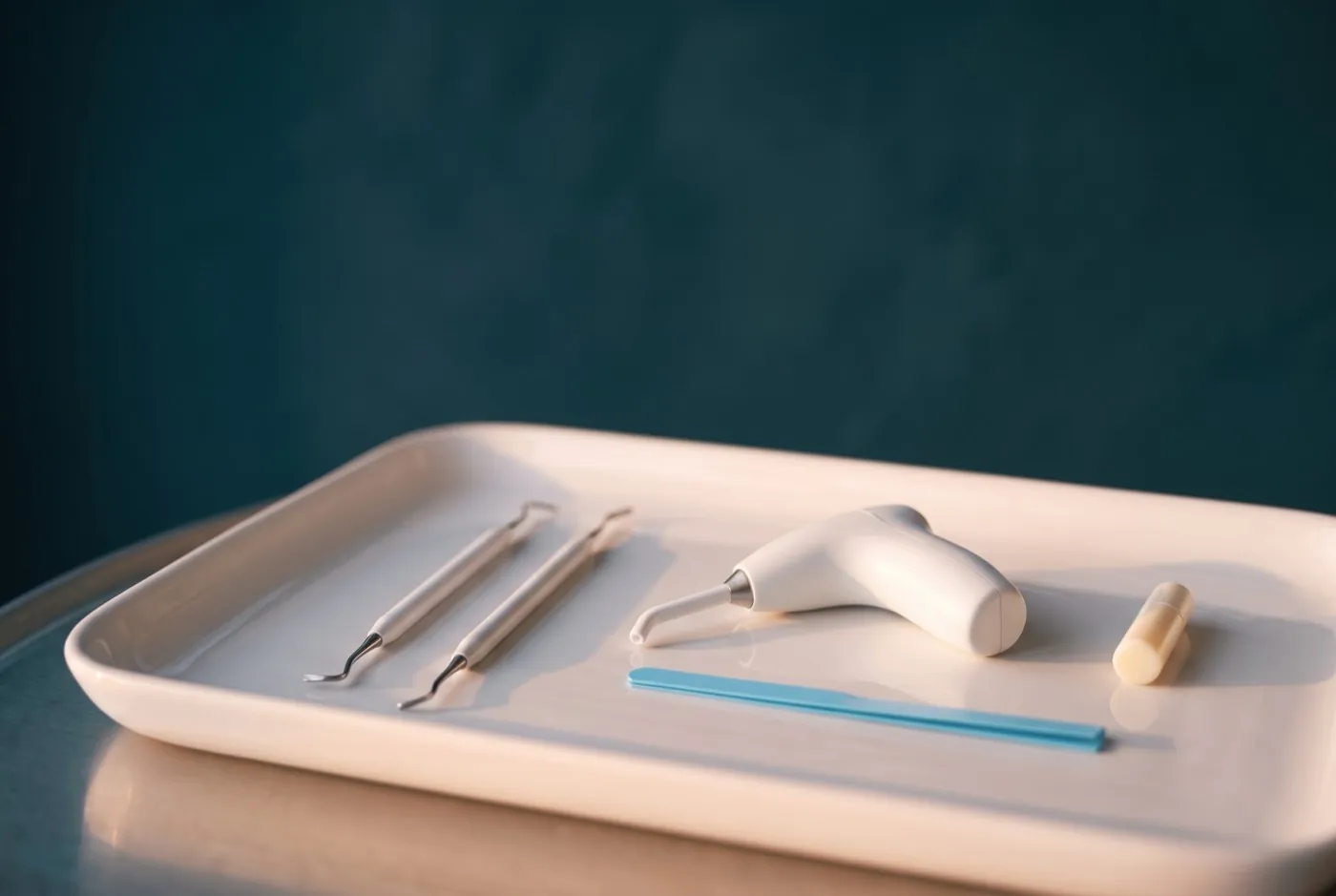
We treat cavities and rebuild tooth structure using high-quality composite materials, perfectly matched to the natural shade of your enamel. We act quickly and painlessly to stop dental problems from progressing, protecting the strength and long-term health of your teeth.
How to recognize a cavity and why not to postpone treatment
A cavity starts quietly: a whitish or brownish spot on the enamel, brief sensitivity to sweets or cold, food that keeps getting stuck in the same place between your teeth. At this stage, cavity treatment is simple, quick and preserves as much of the natural tooth as possible.
The problem is that decay does not stop on its own. Untreated, it advances through the enamel into the dentin and then toward the nerve of the tooth — at which point intense, spontaneous toothache appears, the kind that keeps you up at night. By then a filling is no longer enough: the tooth needs a root canal, a longer and more complex procedure. The rule is simple: the earlier you come in, the less there is to treat. And if the pain has already started, do not put it off with painkillers — call us and we will find you an appointment quickly.
How we treat cavities at Bellodent
Treating a cavity is calm and painless. After the examination — and, if needed, an X-ray showing the depth of the decay — we numb the area with local anesthesia, so you feel nothing during the procedure. We then remove only the affected tissue, taking particular care to preserve as much healthy tooth structure as possible.
The cleaned space is rebuilt layer by layer with modern composite materials, chosen in the exact shade of your enamel, so the filling is practically invisible. Finally we shape the surface, check your bite and polish the restoration. A typical appointment takes about an hour for one tooth. If several cavities need treatment, we agree on the order and pace of the appointments together, without cramming everything into one exhausting visit.
After a filling: care and prevention
After a routine filling you can get on with your day right away; until the anesthesia wears off, just be careful not to bite your cheek or lip. Mild sensitivity to cold or pressure in the first days is normal and fades gradually. If the filling feels “too high” when you bite, come back for a few minutes' adjustment — do not wait to get used to it.
A well-made filling lasts many years, but it does not exempt the tooth from care: brushing twice a day, flossing and limiting frequent sugary snacks remain the main defense against new cavities. At regular check-ups we inspect the edges of existing fillings and catch any new decay early, while treatment is still simple. Prevention is always easier than treatment.
Frequently asked questions
- Does getting a filling hurt?
- No. Cavity treatment is done under local anesthesia, which numbs the area completely — during the procedure you feel at most pressure or vibration, not pain. The only pinch is the anesthetic injection, and its discomfort is minimal. Some mild sensitivity may follow for a few days and passes on its own. Fear of pain is no longer a reason to postpone treatment.
- How long does a dental filling last?
- A modern composite filling, properly placed, commonly lasts between five and ten years, often longer. The lifespan depends on the size of the filling, the position of the tooth, daily hygiene and habits such as teeth grinding. At regular check-ups we inspect the edges of your fillings and replace them only when genuinely necessary.
- Why does my tooth hurt when I cannot see any hole?
- Decay often develops in places you cannot see: between the teeth, under an old filling or beneath apparently intact enamel. Toothache triggered by sweets, cold or chewing is a signal that the process has reached the dentin. Other possible causes: cracks, gum recession or teeth grinding. The exact cause is identified at a consultation, usually with the help of an X-ray.
- What happens if I postpone treating a cavity?
- Decay advances silently: from the enamel it moves into the dentin, then reaches the nerve of the tooth, causing intense pain and infection. At that stage a simple filling is no longer enough — a root canal is needed, and sometimes the tooth can no longer be saved. Treated early, the same cavity is resolved in a single short appointment. A timely check-up makes all the difference.
- How much does a dental filling cost?
- The cost depends on the size of the cavity, the tooth surfaces affected and the complexity of the restoration, which is why we do not publish general prices. The exact cost is set at a consultation, after examining the tooth and, if needed, an X-ray — before treatment begins, you know exactly what it involves and what it costs.